
Applications
See inside large, dense structures
Muon imaging enables engineers to see inside large, dense structures where conventional inspection methods fail. Using naturally occurring cosmic muons, internal geometry, density variations and hidden features can be measured safely — a non-contact, non-invasive approach.
Passive and non-invasive
Naturally occurring cosmic muons do the probing — no artificial radiation source, no drilling, no disruption to the operating asset.
Sees through dense volumes
Muons penetrate many metres of masonry, concrete, rock and ground, revealing internal geometry and density variations other methods cannot reach.
Works where access is limited
Detectors deploy beneath, beside, on or above the asset — from tunnel linings and viaduct arches to boreholes drilled from the surface.
Applications
Find the right investigation for your asset
From tunnel overburden to stored CO₂, each investigation starts with the same question: what is happening where you cannot see? Explore how muon imaging answers it across these programmes.
 Tunnels
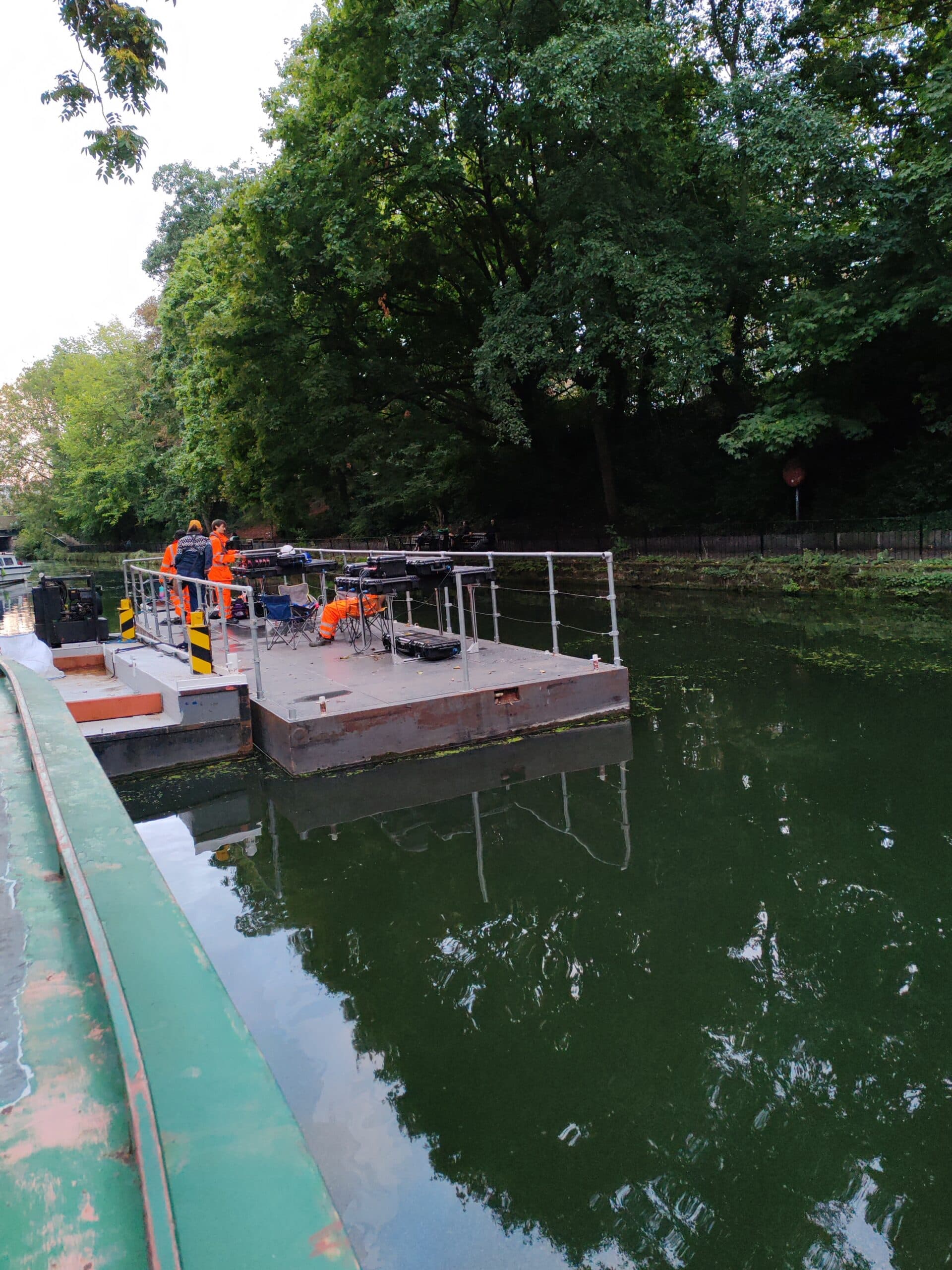
Tunnels and buried infrastructure
Map density changes, voids and unknown features in the overburden beyond accessible tunnel surfaces.
Explore this application →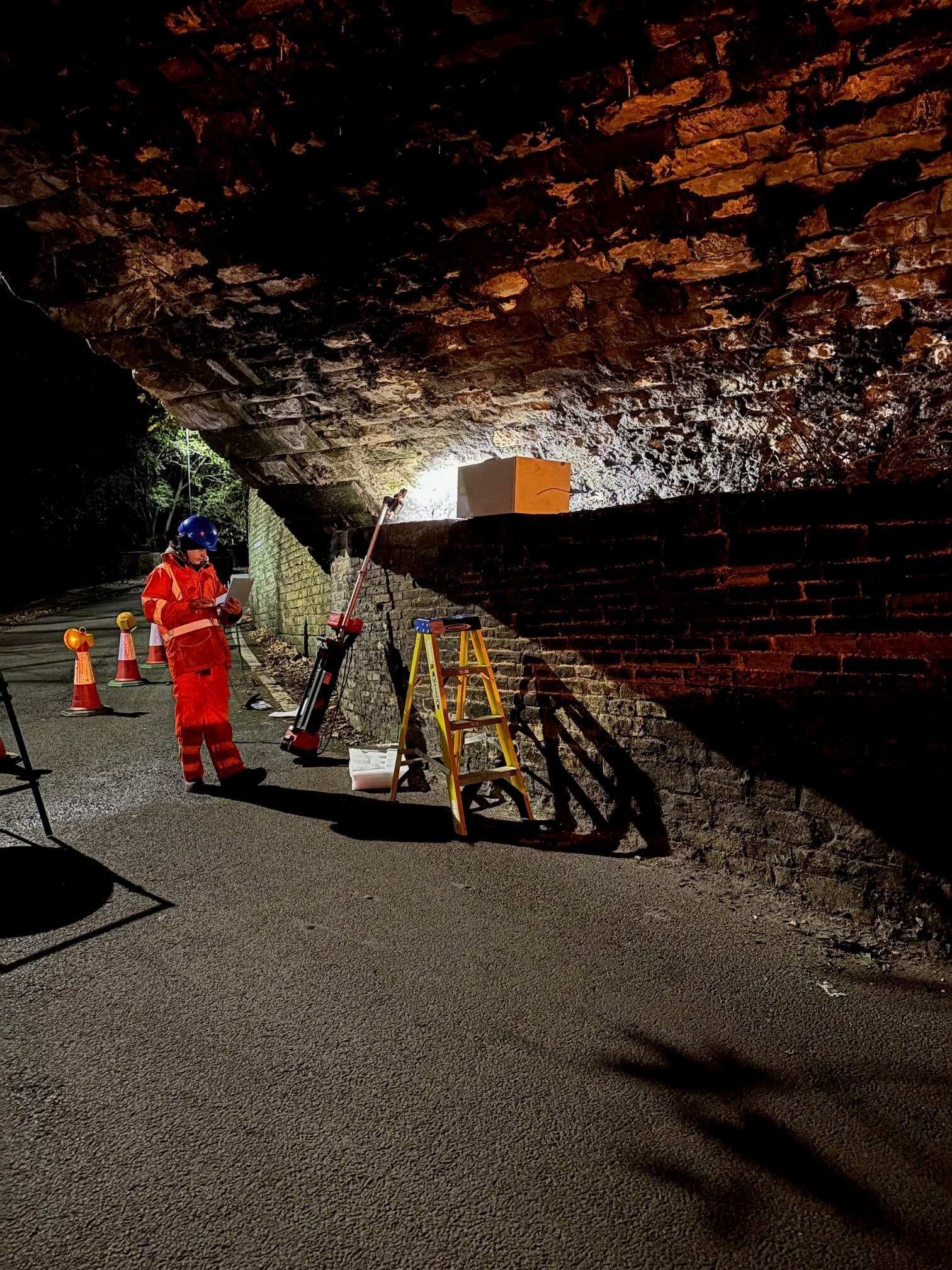 Bridges and viaducts
Viaducts and dense structures
Investigate internal density variation within masonry abutments and spandrels without drilling or closures.
Explore this application →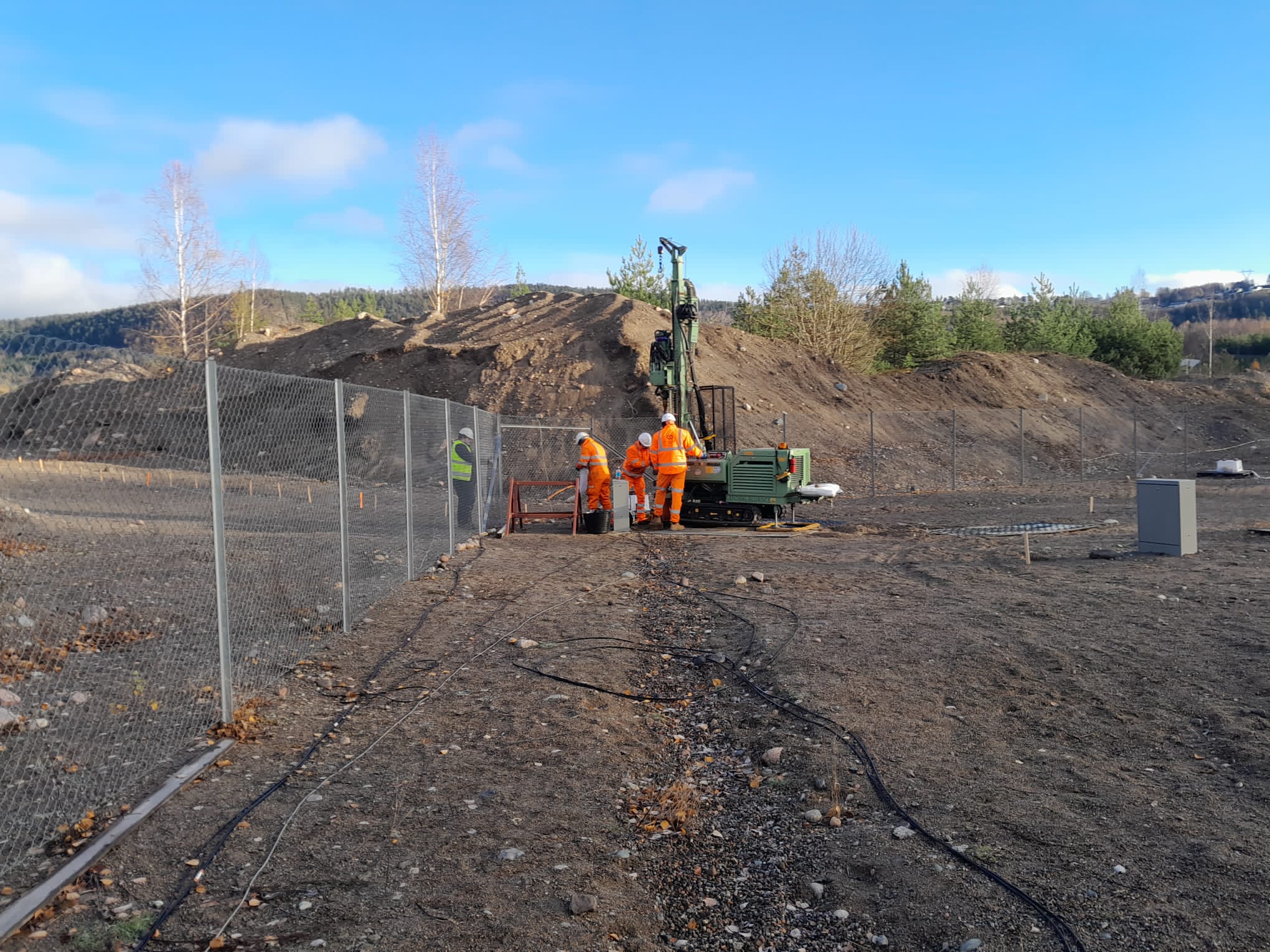 CO₂ storage
Gas geostorage monitoring
Detect and track stored CO₂ plumes in situ, with density reconstructions validated against seismic monitoring.
Explore this application →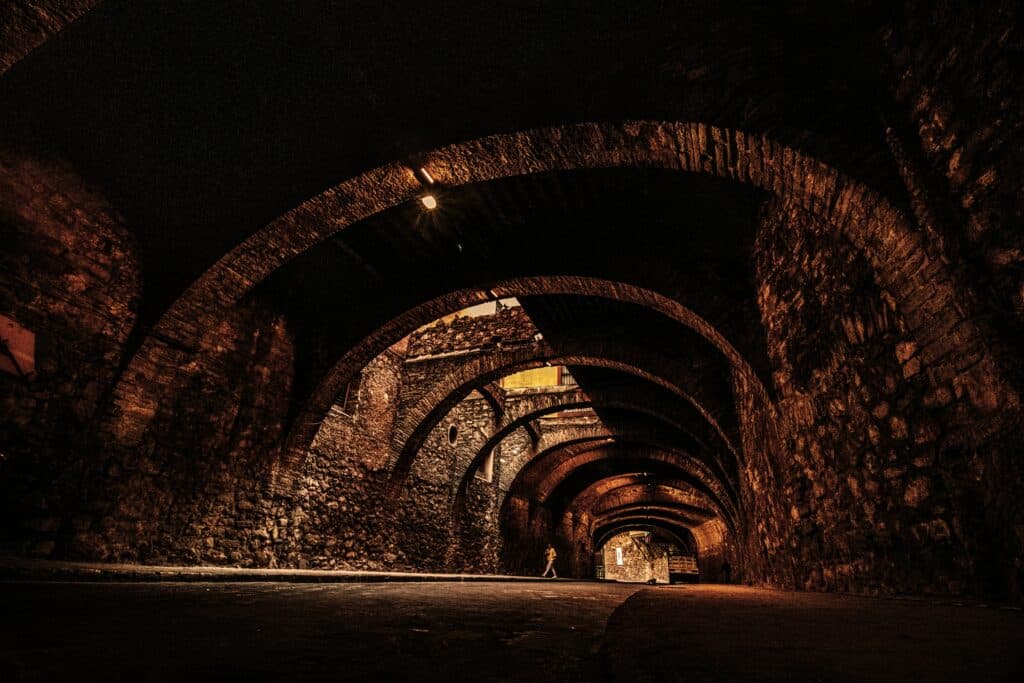 Positioning
Muon positioning
GPS-independent positioning for tunnels and GPS/GNSS-denied environments, using muons as a passive reference signal.
Explore this application →Systems
Choose the deployment format that fits your site
Start with access, target geometry and available measurement time. The right detector configuration follows from the investigation question.
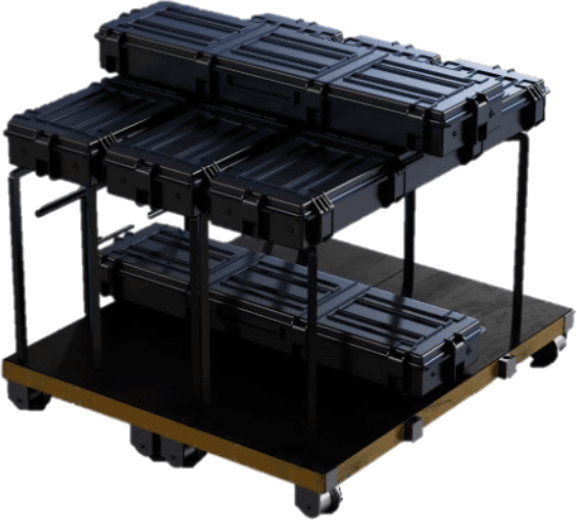
Large planar system
Large-area detectors for structural and subsurface surveys from accessible positions.
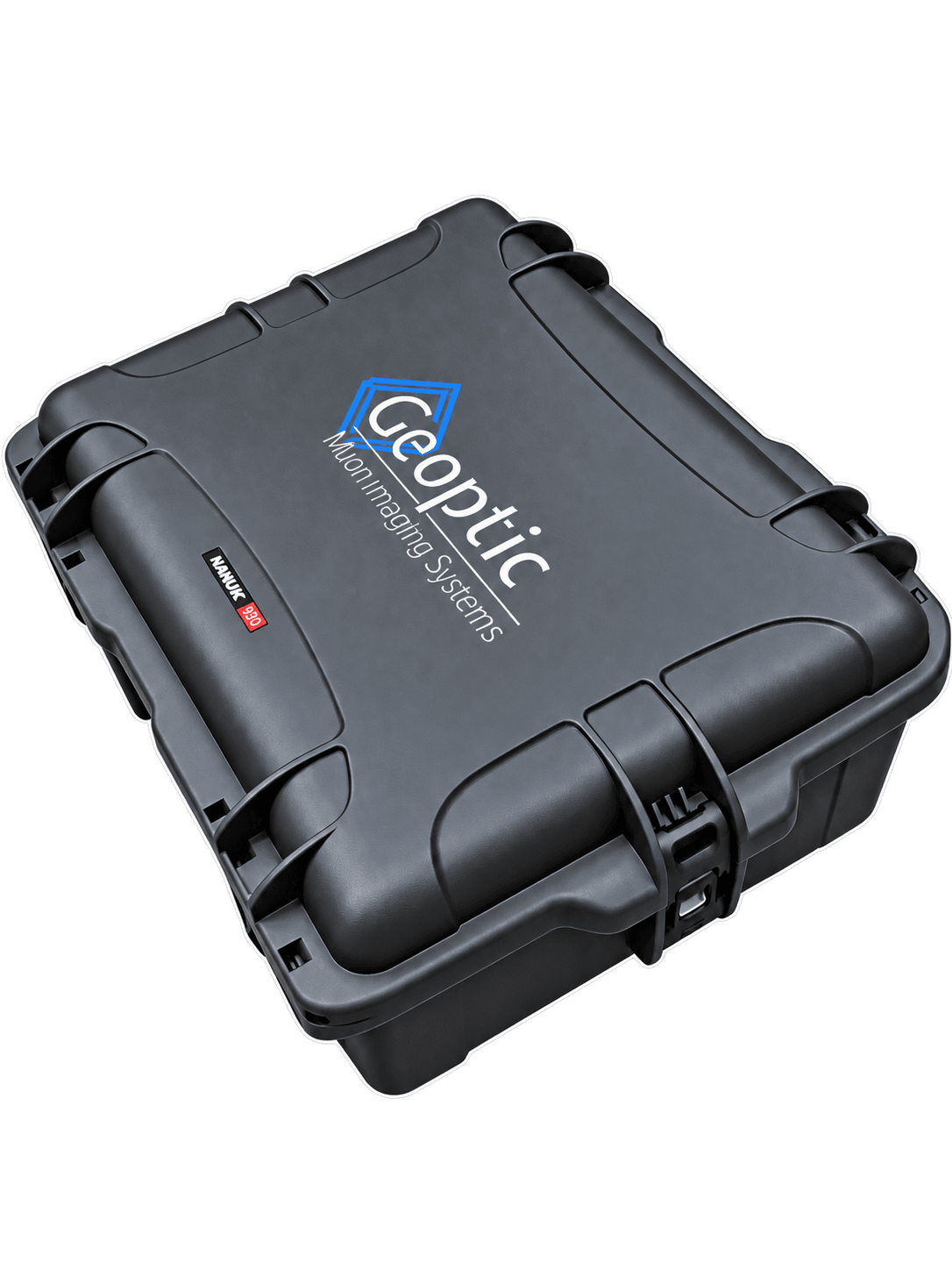
High resolution imager
Compact, high resolution detectors suited to confined geometries and detailed investigation.
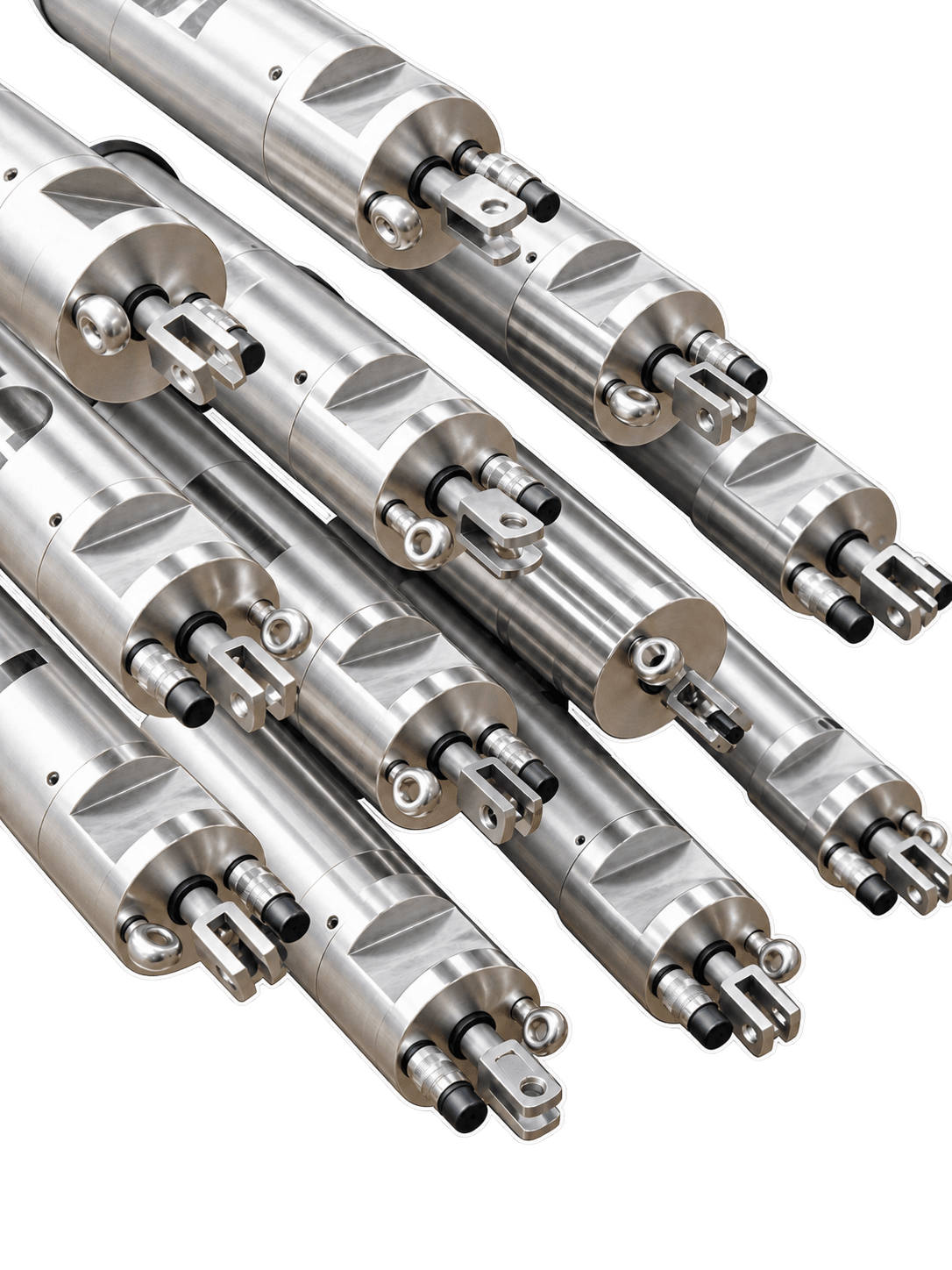
Borehole muon system
Slimline detectors deployed in boreholes to image deep subsurface volumes.
Next step
Could muon imaging reveal what your investigation is missing?
Share the asset, suspected feature and available access. Geoptic can provide an initial view on feasibility and the most appropriate survey approach.